Are There Any Benefits to Dark-Colored Roof Shingles in South Florida?
Modern cool roof technology makes dark shingles just as energy-efficient as light colors TL;DR Yes, dark-colored roof shingles absolutely make sense in…
Modern cool roof technology makes dark shingles just as energy-efficient as light colors
TL;DR
Yes, dark-colored roof shingles absolutely make sense in South Florida — modern cool roof technology with reflective granules reduces heat absorption by up to 40%, making dark shingles nearly as energy-efficient as light colors while offering superior aesthetics and better concealing algae stains. The common misconception that dark shingles automatically mean higher cooling costs is outdated, based on old technology from 20+ years ago. Today's ENERGY STAR rated dark shingles use specially engineered reflective granules that reflect infrared radiation (heat) while maintaining rich, dark colors that enhance curb appeal. The truth is that attic ventilation and insulation have far more impact on energy efficiency than shingle color — a properly ventilated attic with R-38 insulation performs excellently regardless of roof color, while poor ventilation creates problems even with white shingles. In Broward County (a High-Velocity Hurricane Zone) and throughout Palm Beach County, all shingles must meet strict Florida product-approval standards for high winds, and both dark and light colors are available with identical wind ratings and HVHZ compliance. Dark shingles offer aesthetic advantages for Mediterranean, modern, and traditional architectural styles, hide algae staining and weathering better than light colors (important in Florida's humid climate), and generally cost the same as light-colored options. Florida Energy Code allows any shingle color as long as the overall roof system meets code requirements, and insurance companies don't charge more for dark shingles. The key is choosing ENERGY STAR rated shingles with cool roof technology, ensuring proper attic ventilation (1 square foot per 150 square feet of attic space), installing adequate insulation (R-38 minimum), using high-quality synthetic underlayment (required in HVHZ), and working with licensed contractors who understand Florida's specific requirements. Modern technology has eliminated the energy penalty of dark shingles while preserving their aesthetic and practical benefits.
You're planning a roof replacement in South Florida.
Your contractor shows you shingle samples.
You immediately dismiss the dark colors: "Won't that make my house hotter?"
This assumption costs homeowners thousands in resale value and aesthetic appeal — based on outdated information.
Let me explain why modern dark-colored shingles are an excellent choice in South Florida, backed by technology most homeowners don't know exists.
The Common Misconception: Dark = Hot = Bad
For decades, conventional wisdom said: "Use light-colored shingles in hot climates."
Where This Advice Came From
Old school thinking (1980s-2000s):
✗ Dark colors absorb more solar radiation
✗ Heat transfers through roof deck into attic
✗ Attic heat radiates into living space
✗ Air conditioning works harder
✗ Energy bills increase 15-20%
This was TRUE — 25 years ago with old technology.
Why It's Outdated Now
What changed:
✓ Cool roof technology — Reflective granules engineered at molecular level
✓ ENERGY STAR standards — Third-party testing of thermal performance
✓ Advanced coatings — Infrared-reflective pigments that don't compromise color
✓ Better insulation — Modern attics have R-38+ insulation (vs R-19 in older homes)
✓ Improved ventilation — Ridge vents and soffit vents standard in new construction
✓ Synthetic underlayment — Better thermal barrier than old felt paper
The roofing industry underwent a technological revolution, but the old advice persists.
The Truth About Modern Cool Roof Technology
Today's dark shingles aren't your grandfather's dark shingles.
How Cool Roof Shingles Work
Reflective granule technology:
1. Specially Engineered Granules
- Ceramic-coated mineral granules
2. Solar Reflectance Index (SRI)
Traditional dark shingles (pre-2005):
Modern cool roof dark shingles (2010+):
Cool roof light shingles:
The difference between modern dark and light shingles: 10-15°F
The difference between old dark and modern dark: 30-40°F
The Science: Visible Light vs Infrared Radiation
What you need to understand:
Visible light = What you see (color appearance)
Infrared radiation = What you feel (heat energy)
Old technology: Dark color = absorbs both visible and infrared
New technology: Dark visible color + infrared reflection = Cool surface
Result: Shingles that LOOK dark but DON'T ACT dark thermally
ENERGY STAR Certification for Dark Shingles
ENERGY STAR requirements for steep-slope roofing:
Low-slope roofs (≤2:12 pitch):
Steep-slope roofs (>2:12 pitch, most homes):
What this means:
✓ Many modern DARK shingles meet ENERGY STAR standards
✓ "Aged reflectance" accounts for dirt and weathering over time
✓ Third-party tested and verified performance
✓ Tax credits may be available for ENERGY STAR rated products
Popular ENERGY STAR rated dark shingle colors:
These colors offer rich, premium aesthetics while maintaining energy efficiency.
What Actually Matters for Energy Efficiency: Ventilation and Insulation
Shingle color is far less important than what's UNDER the roof.
The Attic Ventilation Factor
Proper ventilation requirements:
✓ 1 square foot of ventilation per 150 sq ft of attic space (Florida Building Code minimum)
✓ Balanced intake and exhaust — 50% soffit vents, 50% ridge vents
✓ Continuous ridge vent — Full-length ventilation along roof peak
✓ Unobstructed soffit vents — Clear airflow from eaves
✓ Baffles at rafters — Maintain air channel between insulation and roof deck
Impact of Ventilation vs Shingle Color
Scenario 1: Poor ventilation, light shingles
Scenario 2: Poor ventilation, dark shingles
Scenario 3: Proper ventilation, light shingles
Scenario 4: Proper ventilation, modern dark cool roof shingles
Temperature difference between scenarios 3 and 4: 5-10°F
Temperature difference between scenarios 1 and 3: 30-40°F
Ventilation matters 5-6 times more than shingle color.
The Insulation Factor
Florida Energy Code requirements:
✓ R-38 minimum for ceiling insulation in South Florida (Zones 1-2)
✓ R-30 minimum in some older code jurisdictions
✓ Air sealing — Seal penetrations, recessed lights, attic access
Impact of insulation:
R-19 insulation (old standard, many existing homes):
R-38 insulation (current code):
Result: With R-38 insulation, 5-10°F difference in attic temperature (dark vs light shingles) translates to less than 2°F impact on living space temperature.
Your air conditioning system can easily compensate for this minimal difference.
Real-World Energy Testing
Florida Solar Energy Center (FSEC) study (2018):
Test conditions:
Results:
Conclusion: With modern cool roof technology and proper ventilation/insulation, shingle color has minimal energy impact.
!Modern dark shingle roof installation with proper ventilation
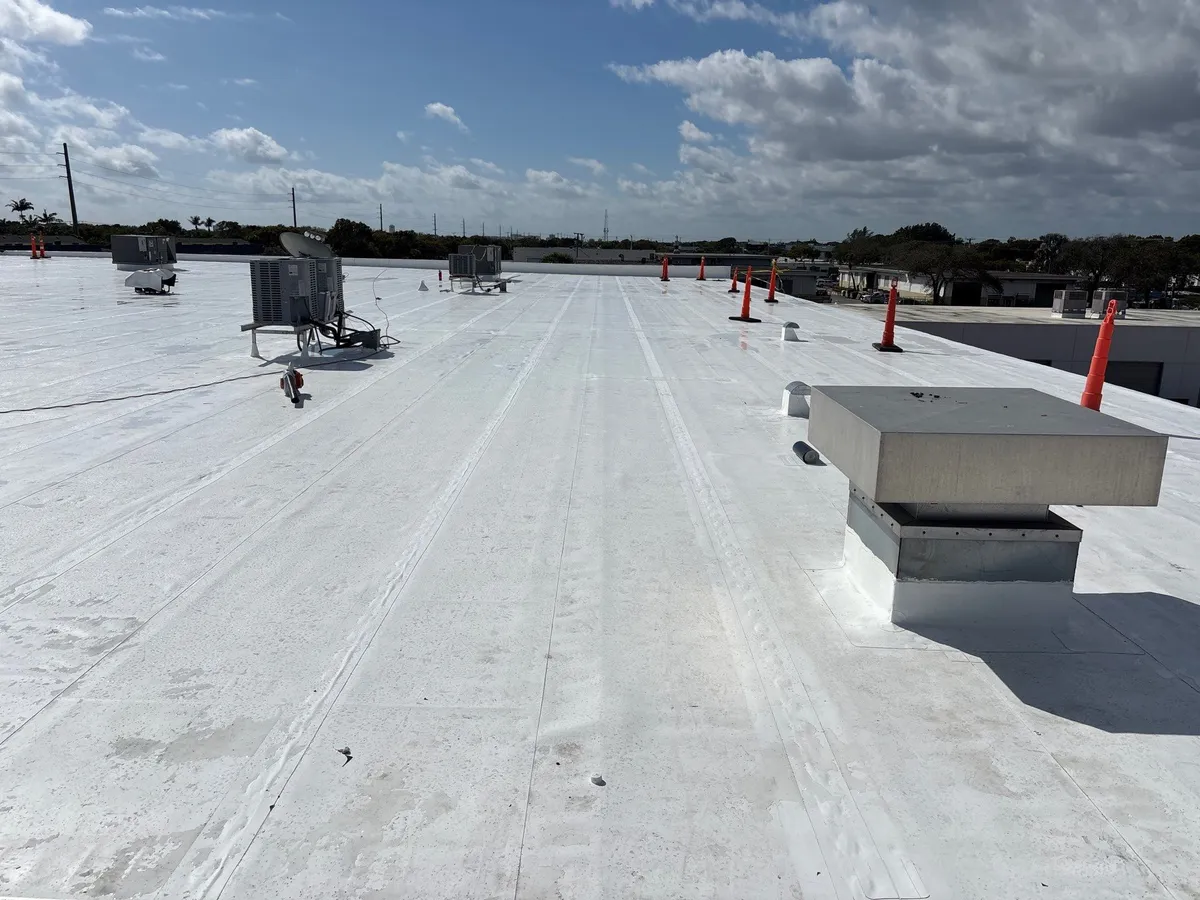
Modern dark cool roof shingles with advanced reflective technology
The Aesthetic Case for Dark Shingles
Dark shingles offer premium curb appeal that light colors can't match.
Architectural Styles That Demand Dark Roofs
Mediterranean and Spanish Revival homes:
✓ Charcoal or dark brown shingles mimic tile appearance
✓ Create authentic Old World aesthetic
✓ Enhance stucco contrast (white/beige walls + dark roof = classic look)
✓ Increase resale value (buyers expect this aesthetic)
Modern contemporary homes:
✓ Charcoal gray or black shingles create clean, sophisticated look
✓ Match modern color palettes (grays, whites, blacks)
✓ Emphasize horizontal lines and architectural features
✓ Premium appearance commands higher prices
Traditional colonial and craftsman homes:
✓ Dark gray, charcoal, or weathered wood tones
✓ Classic, timeless appearance
✓ Broad buyer appeal (never goes out of style)
✓ Enhance landscape and exterior details
Color Psychology and Curb Appeal
Light-colored roofs:
Dark-colored roofs:
Real estate impact:
Study by Zillow (2023): Homes with dark gray or charcoal roofs sold for 2-3% more than comparable homes with light-colored roofs in premium neighborhoods.
Reason: Dark roofs perceived as more expensive and sophisticated (even though cost is identical).
Creating Contrast and Visual Interest
Effective color combinations:
Light exterior walls + dark roof:
Medium exterior walls + dark roof:
Dark exterior accents + dark roof:
Poor combinations (light roof + light walls):
A dark roof is like a picture frame — it defines and enhances the home.
Dark Shingles Hide Algae and Weathering Better
This is huge in Florida's humid climate.
The Algae Problem in Florida
What causes black roof stains:
Appearance timeline:
Light-colored shingles (white, light tan, cream):
Dark-colored shingles (charcoal, dark gray, brown):
Algae-Resistant Shingles
Modern solution: Copper or zinc granules
✓ Manufacturers add copper or zinc-coated granules
✓ Metal ions inhibit algae growth
✓ Extends "clean" appearance by 5-10 years
✓ Available in both light and dark colors
Popular algae-resistant lines:
Even with algae-resistant shingles, dark colors show staining less than light colors.
Weathering and Dirt Accumulation
What happens over time:
✓ Dust and pollen accumulation
✓ Tree sap and organic debris
✓ Oxidation and granule weathering
✓ Fading from UV exposure
Light-colored shingles:
Dark-colored shingles:
If you want a roof that looks great for 20+ years with minimal maintenance, dark shingles are superior.
HVHZ Requirements: Color Doesn't Matter for Wind Rating
In Broward County's HVHZ and throughout Palm Beach County, all shingles must meet the same high wind standards regardless of color.
Miami-Dade Product Approval
Required for HVHZ installation:
✓ Florida Product Approval (NOA) — Every shingle must have approval number
✓ 180mph wind rating — Proven uplift resistance in testing
✓ Impact resistance — Class 3 or 4 (hail and debris resistance)
✓ Proper installation — Enhanced fastening per HVHZ requirements
Available in dark colors:
All approved colors have identical wind ratings and HVHZ compliance.
Enhanced Fastening Requirements
HVHZ installation specifications:
✓ 6 nails per shingle (vs 4 in non-HVHZ zones)
✓ Enhanced perimeter fastening (additional nails in edge zones)
✓ Proper nail placement (hits nail zone on shingle)
✓ Correct nail depth (flush with surface, not overdriven)
✓ High-wind starter strip (adhered or mechanically fastened)
These requirements apply to ALL shingle colors — dark or light makes no difference.
Synthetic Underlayment Requirement
HVHZ secondary water barrier:
✓ Synthetic underlayment required — Self-adhering or mechanically fastened
✓ Superior to felt paper — Won't tear, better water resistance
✓ Thermal properties — Better insulation than old felt (15-20% improvement)
✓ Color doesn't matter — Underlayment is black/gray regardless of shingle color
With high-quality synthetic underlayment, the thermal barrier under shingles is more important than shingle color for heat transfer.
Florida Energy Code: Any Color Works
Florida doesn't restrict shingle color — only overall system performance.
What the Code Actually Requires
Florida Energy Code (2023):
✓ R-38 ceiling insulation minimum (Climate Zones 1-2, all of South Florida)
✓ Proper attic ventilation (1:150 ratio minimum)
✓ Radiant barrier (optional, provides additional benefit)
✓ Air sealing (reduce infiltration)
Nowhere does code mandate specific roof color.
Compliance Paths
Two ways to meet energy code:
Path 1: Prescriptive Method
Path 2: Performance Method
For typical South Florida homes, prescriptive method with any ENERGY STAR rated shingle color easily meets code.
Energy Efficiency Rebates and Incentives
ENERGY STAR rated dark shingles may qualify for:
✓ Federal tax credits (check current year eligibility)
✓ Utility company rebates (FPL, Duke Energy programs)
✓ Insurance discounts (FORTIFIED Roof designation)
Light vs dark makes no difference for incentive eligibility — only ENERGY STAR rating matters.
Insurance Considerations: Dark Shingles Are Fine
Insurance companies care about wind rating, impact resistance, and installation quality — not color.
What Insurance Companies Actually Evaluate
Underwriting factors for roof coverage:
✓ Roof age — Newer roofs = lower premiums
✓ Wind rating — HVHZ-approved shingles = better rates
✓ Impact resistance — Class 4 (highest) = significant discounts (up to 25%)
✓ Proper installation — Permitted work by licensed contractor
✓ Opening protection — Hurricane shutters, impact windows
✗ Shingle color — NOT a rating factor
Impact-Resistant Shingles
Class 4 impact rating benefits:
✓ Up to 25% discount on homeowner's insurance
✓ Superior hail and debris resistance
✓ Enhanced durability (longer lifespan)
✓ Better warranty coverage
Available in dark colors:
Choose based on impact resistance, not color — insurance savings are substantial.
Wind Mitigation Inspection
Florida wind mitigation factors:
✓ Roof-to-wall attachment (clips, straps)
✓ Roof deck attachment (proper fastener spacing)
✓ Roof shape (hip roof = better than gable)
✓ Secondary water barrier (underlayment)
✓ Opening protection (shutters, impact glass)
Inspector evaluates installation method, not shingle color.
Dark shingles installed properly = same insurance benefits as light shingles installed properly.
Cost Comparison: Dark vs Light Shingles
Price is identical for same product line in different colors.
Manufacturer Pricing
Typical pricing structure:
TAMKO Heritage Premium (architectural shingles):
All colors = same price
Premium "designer" colors:
Installation Cost
Labor pricing:
Factors that affect installation cost:
✓ Roof complexity (valleys, penetrations, angles)
✓ Roof pitch (steeper = more expensive)
✓ Tear-off requirements (multiple layers = higher cost)
✓ HVHZ enhanced fastening (standard in South Florida)
✗ Shingle color — NO IMPACT on labor cost
Your contractor charges the same to install charcoal shingles as white shingles.
Total Project Cost
Typical South Florida roof replacement (2,000 sq ft):
Light-colored shingles:
Dark-colored shingles (same product line):
The only cost consideration is choosing a higher-quality shingle line (3-tab vs architectural vs premium) — not the color within that line.
!Completed dark shingle roof with excellent curb appeal
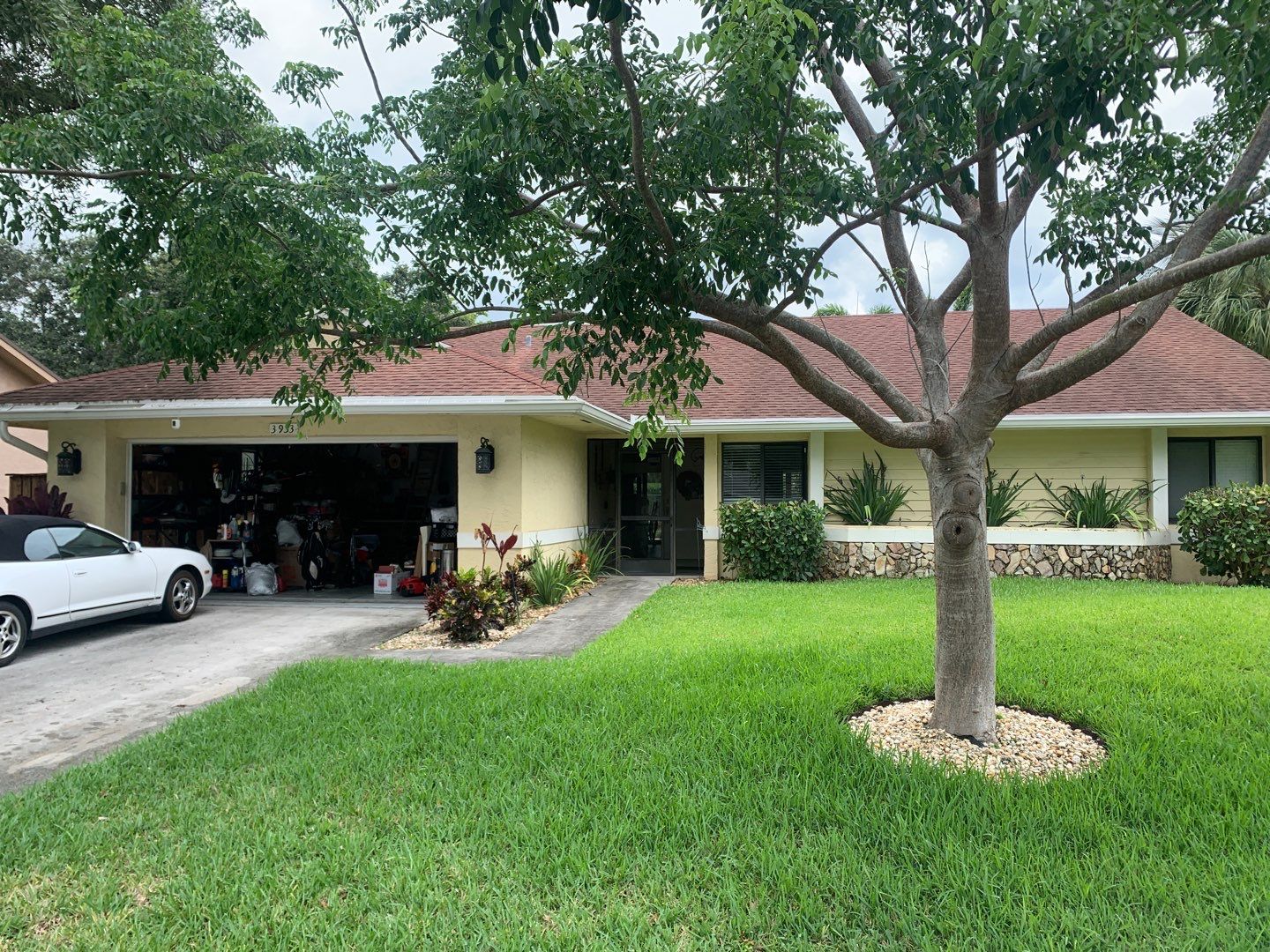
Premium dark shingles enhance home value and aesthetics
The Role of Proper Underlayment
What's UNDER the shingles matters more than color for thermal performance.
Synthetic Underlayment Benefits
Modern synthetic underlayment:
✓ Better thermal barrier — R-value of 0.5-1.0 (vs 0.2 for felt paper)
✓ Superior water resistance — Won't absorb moisture, won't tear
✓ UV resistance — Can be exposed for 180 days (vs 30 days for felt)
✓ Lighter weight — Easier installation, better adhesion
✓ Required in HVHZ — Mandatory in Broward and Palm Beach Counties
Self-Adhering Underlayment
Peel-and-stick underlayment (ice and water barrier):
✓ Applied in critical areas (eaves, valleys, penetrations)
✓ Seals around nails for watertight installation
✓ Additional thermal insulation layer
✓ Superior protection vs mechanical fastening
HVHZ requirement:
With quality underlayment, the thermal barrier is so effective that shingle color becomes negligible.
Radiant Barrier Options
Optional upgrade: Radiant barrier roof deck sheathing
✓ Aluminum foil facing on OSB/plywood
✓ Reflects 97% of radiant heat back toward roof surface
✓ Reduces attic temperature by 10-20°F
✓ Costs $500-1,000 more for typical home
If you install radiant barrier sheathing, shingle color becomes completely irrelevant — the radiant barrier provides far more thermal benefit than any shingle color difference.
Making the Right Choice: What Actually Matters
Focus on factors that make a real difference, not outdated myths.
Priority #1: Shingle Quality and Warranty
Choose based on:
✓ Manufacturer reputation — TAMKO, Owens Corning, CertainTeed, GAF
✓ Warranty length — 50-year limited, lifetime on premium lines
✓ Wind rating — Miami-Dade approved for HVHZ
✓ Impact resistance — Class 4 for insurance discounts
✓ Algae resistance — 10-year streaking warranty
Within your chosen quality level, pick any color you like.
Priority #2: Proper Installation
Critical factors:
✓ Licensed CCC or CGC contractor — Legally required in Florida
✓ Proper permits — Contractor pulls permit under their license
✓ Enhanced HVHZ fastening — 6 nails per shingle, perimeter reinforcement
✓ Quality underlayment — Synthetic, self-adhering in critical areas
✓ Proper ventilation — Ridge vent + soffit vents, balanced airflow
Installation quality impacts performance 100x more than shingle color.
Priority #3: Attic Insulation and Ventilation
Ensure you have:
✓ R-38 minimum insulation — Verify at attic hatch, rafters, and eaves
✓ Air sealing — Seal around recessed lights, pipes, ducts
✓ Proper ventilation — 1:150 ratio, balanced intake/exhaust
✓ Baffles at rafters — Maintain air channel from soffit to ridge
Spend $500-1,000 upgrading insulation and ventilation — provides 10x more benefit than switching to light-colored shingles.
Priority #4: Aesthetic Preference
After addressing performance factors, choose color based on:
✓ Architectural style of home
✓ Exterior color palette
✓ Neighborhood aesthetic (resale consideration)
✓ Personal preference
Modern cool roof technology gives you complete color freedom.
The Bottom Line: Dark Shingles Are an Excellent Choice
Technology has eliminated the energy penalty while preserving aesthetic advantages.
When Dark Shingles Make Sense
Excellent choice if:
✓ Mediterranean, modern, or traditional architectural style
✓ You want premium curb appeal and maximum resale value
✓ You prefer low-maintenance appearance (hides weathering and algae)
✓ You prioritize aesthetics over outdated energy myths
✓ You ensure proper ventilation and R-38 insulation
✓ You choose ENERGY STAR rated cool roof shingles
When Light Shingles Make Sense
Better choice if:
✓ Coastal casual or Key West architectural style
✓ Pastel or very light exterior colors
✓ Personal aesthetic preference for lighter look
✓ You want maximum solar reflectance (though benefit is minimal)
The Realistic Energy Impact
Annual cooling cost difference (modern cool roof shingles):
Light shingles: $1,800/year
Dark shingles: $1,850-1,900/year
Difference: $50-100/year (less than 5%)
Aesthetic and resale value difference:
Potential home value increase with premium dark roof: $3,000-6,000
ROI on dark shingles vs light: 30-60x the annual energy cost difference
What to Ask Your Contractor
Critical questions:
✓ "Are these shingles ENERGY STAR rated with cool roof technology?"
✓ "What's the Solar Reflectance Index (SRI) for this dark color?"
✓ "Does this shingle have Miami-Dade product approval for HVHZ?"
✓ "What's the impact resistance rating?" (Class 4 preferred)
✓ "Do these shingles have algae-resistant granules?"
✓ "Will you install synthetic underlayment and ensure proper ventilation?"
If contractor says "don't use dark shingles in Florida," they're behind on current technology — find a more knowledgeable professional.
Related Resources
Frequently Asked Questions
Do dark-colored roof shingles make my house hotter in South Florida?
No, modern dark-colored shingles with cool roof technology do NOT significantly increase cooling costs in South Florida. This is an outdated myth based on old shingle technology from 20+ years ago. Today's ENERGY STAR rated dark shingles use specially engineered reflective granules that reflect up to 60-75% of infrared radiation (heat) while maintaining rich dark colors. The Solar Reflectance Index (SRI) difference between modern cool roof dark shingles (SRI 25-40) and light shingles (SRI 40-55) translates to only 10-15°F surface temperature difference and less than 2°F impact on living space temperature with proper insulation. Florida Solar Energy Center testing showed only 3% cooling cost difference ($47 annually) between white and dark gray ENERGY STAR shingles when homes had proper R-38 insulation and ventilation. The reality is that attic ventilation and insulation have 5-6 times more impact on energy efficiency than shingle color. A properly ventilated attic with R-38 insulation performs excellently with dark shingles, while poor ventilation creates problems even with white shingles. Modern technology has eliminated the energy penalty of dark colors while preserving their aesthetic advantages.
Are ENERGY STAR rated shingles available in dark colors?
Yes, many dark shingle colors meet ENERGY STAR standards for steep-slope roofs, which require initial solar reflectance of at least 0.25 and aged reflectance of 0.15. Popular ENERGY STAR certified dark colors include charcoal gray, estate gray, weathered wood, driftwood, pewter gray, and hunter green. Major manufacturers like TAMKO, Owens Corning, CertainTeed, and GAF offer extensive dark color selections with ENERGY STAR ratings and cool roof technology. These shingles use advanced infrared-reflective pigments and specially engineered ceramic-coated granules that reflect heat while maintaining dark color appearance. The key is that infrared radiation (heat) and visible light (color) are different wavelengths — modern technology reflects infrared while absorbing visible light to create dark colors. This means shingles can LOOK dark but DON'T ACT dark thermally. When shopping for dark shingles, specifically request ENERGY STAR rated products with cool roof technology and verify the Solar Reflectance Index (SRI). These products may qualify for federal tax credits, utility rebates, and insurance discounts while providing the aesthetic benefits of dark colors without energy penalties.
Do dark shingles meet High-Velocity Hurricane Zone (HVHZ) requirements?
Yes, dark-colored shingles absolutely meet High Velocity Hurricane Zone (HVHZ) requirements when they have proper Miami-Dade product approval (NOA). Shingle color has no impact on wind rating, structural performance, or HVHZ compliance — only the shingle construction, fastening system, and installation method matter. All major manufacturers offer HVHZ-approved dark colors with 180mph wind ratings, including TAMKO Heritage Premium, Owens Corning Duration, CertainTeed Landmark, and GAF Timberline HDZ. These products are available in charcoal, weathered wood, estate gray, and other dark tones with identical wind performance to light colors. HVHZ installation requirements include 6 nails per shingle (vs 4 in non-HVHZ zones), enhanced perimeter fastening, synthetic underlayment, and proper nail placement per manufacturer specifications — all requirements apply equally regardless of shingle color. Building inspectors evaluate installation quality, fastener patterns, and product approval numbers during deck, dry-in, and final inspections, but never question shingle color. Additionally, many dark HVHZ-approved shingles also carry Class 4 impact resistance ratings, qualifying homeowners for significant insurance discounts (up to 25%) while providing superior aesthetics.
Do insurance companies charge more for dark-colored roof shingles in Florida?
No, insurance companies do NOT charge higher premiums based on roof shingle color — this is a complete myth. Homeowner's insurance underwriting evaluates roof age, wind rating (HVHZ approval), impact resistance rating (Class 4 preferred), proper installation by licensed contractors, and opening protection (shutters or impact windows), but shingle color is not a rating factor. In fact, many dark-colored shingles carry Class 4 impact resistance ratings that qualify for insurance discounts up to 25%, making them potentially CHEAPER to insure than light-colored non-impact-rated shingles. Wind mitigation inspections assess roof-to-wall attachment methods, roof deck fastener spacing, secondary water barriers, and roof geometry but never document shingle color. Insurance companies care about structural performance and hurricane resistance, not aesthetics. During the insurance application or renewal process, you'll provide roof age, materials type (shingle, tile, metal), and installation documentation, but color is irrelevant. If an insurance agent suggests dark shingles cost more to insure, they're misinformed — request documentation of any color-based surcharge (you won't find it in any policy). Focus on choosing HVHZ-approved shingles with Class 4 impact ratings and proper installation by licensed contractors to maximize insurance discounts and coverage.
Do dark shingles cost more than light-colored shingles?
No, dark-colored and light-colored shingles cost exactly the same when comparing the same product line and quality level. Manufacturers price shingles based on product specifications (3-tab vs architectural vs premium designer), warranty length, impact resistance rating, and wind rating — not color. For example, TAMKO Heritage Premium costs $X per square whether you choose white, light tan, medium brown, or charcoal gray. Installation labor costs are also identical regardless of shingle color, as contractors charge based on roof complexity, pitch, tear-off requirements, and HVHZ fastening specifications. The only price premiums occur for specific "designer" color blends (multi-tone weathered wood, aged cedar) that apply equally to both light and dark tones and typically add only 5-10% to material cost. For a typical 2,000 square foot South Florida roof, total replacement cost (materials, labor, permits, disposal) is identical whether you choose light or dark shingles from the same product line. The decision should be based purely on aesthetic preference and architectural suitability, not cost, since there's no price difference. Spend your budget on quality differences that matter: upgrade from 3-tab to architectural shingles, choose Class 4 impact resistance, select longer warranties, or invest in better ventilation and insulation — these upgrades provide real value, unlike the non-existent light vs dark color price premium.
Final Thoughts: Choose Based on What You Love
Modern technology gives you complete freedom to choose any color without compromising energy efficiency.
The old rule: "Light colors only in hot climates"
The new reality: "Any ENERGY STAR rated color works great with proper installation"
What actually determines your roof's performance:
What barely matters:
Your roof is the most important aesthetic element of your home — choose the color that enhances your architecture and makes you happy.
With modern cool roof shingles, dark colors offer:
✓ Premium curb appeal and increased resale value
✓ Better concealment of algae staining and weathering
✓ Timeless aesthetics that work with multiple architectural styles
✓ Nearly identical energy performance to light colors
✓ Same HVHZ compliance and insurance benefits
Don't let outdated advice from the 1990s prevent you from choosing the dark shingles your home deserves.
📍 All Phase Construction USA
590 Goolsby Blvd, Deerfield Beach, FL 33442
📞 Call: 754-227-5605
✉️ Email: info@allphaseusa.com
Licensed CCC & CGC Contractor | ENERGY STAR Partner | HVHZ Specialists
CGC-1526236 | CCC-1331464
Need Professional Roofing Service?
Contact All Phase Construction USA for expert roofing services in Broward and Palm Beach County.
Call (754) 227-5605Related Services & Resources
Roof Repair · Free Inspections · Cost Calculator · All Articles