Wind Mitigation Roof South Florida: How to Cut Your Homeowners Insurance by Up to 50%
Learn how roof wind mitigation in South Florida can reduce your homeowners insurance by up to 50%. All Phase Construction USA explains what qualifies, what to upgrade, and how to get your wind mitigation certificate.
If you're paying $6,000 or more annually for homeowners insurance in South Florida, your roof might be the key to slashing that bill in half. A properly documented wind mitigation inspection can unlock credits that most Florida homeowners don't even know exist.
Key Takeaways
- Roof wind mitigation in South Florida (Palm Beach, Broward, Miami-Dade) can reduce your home insurance premium by up to 50% when specific roof features are documented correctly on the Uniform Mitigation Verification Form (OIR-B1-1802).
- The fastest way to unlock insurance discounts is scheduling a professional wind mitigation inspection Florida carriers accept, which evaluates roof shape, roof deck attachment, roof to wall connectors, roof covering, and secondary water barriers.
- Specific features qualify for credits: hip roofs outperform gable designs, double wraps beat single wraps and clips, and a properly installed secondary water barrier can add significant percentage points to your savings.
- All Phase specializes in roof wind mitigation upgrades and documentation throughout Palm Beach County and Broward County, helping homeowners lower insurance costs through both inspections and retrofit work.
- Contact All Phase today to schedule an inspection and find out exactly how much you can save on your Florida homeowners insurance before your next renewal.
What Is Roof Wind Mitigation in South Florida?
Wind mitigation refers to a set of construction and roofing features designed to help a home withstand hurricane-force high winds that are common across South Florida's coastline. These features are embedded into building codes and directly tied to the insurance discounts Florida carriers offer.
The connection between wind mitigation and insurance savings traces back to Hurricane Andrew in 1992, which exposed critical vulnerabilities in older construction methods. Subsequent storms like Wilma (2005) and Ian (2022) drove further changes to the Florida Building Code, with the 2002 code adoption becoming a key benchmark that insurers use to evaluate homes.
When homeowners order a wind mitigation inspection Florida insurers accept, the inspector focuses on the roof system and evaluates: roof shape (hip vs. gable configurations), roof covering (shingles, tiles, or metal meeting specific wind ratings), roof deck attachment (how sheathing is secured to trusses), roof to wall connectors (clips, straps, or toenails connecting rafters to wall framing), and secondary water resistant barriers (protection against water intrusion if the roof covering fails).
The inspector documents these items on the OIR-B1-1802 form — the specific Uniform Mitigation Verification Form that insurance companies require. Homes built before 2002 typically need retrofits to qualify for significant credits, while homes built after 2007 to High-Velocity Hurricane Zone (HVHZ) standards often qualify automatically.
How Roof Wind Mitigation Lowers Florida Homeowners Insurance
Properly documented roof wind mitigation can reduce the windstorm portion of your Florida homeowners insurance premiums by 20–50%, depending on your home's features and your insurer's credit structure. Florida carriers use wind mitigation reports to calculate risk. Each roof feature that meets or exceeds state standards earns a specific credit, and these credits stack together.
Here's how typical savings scenarios break down:
| Wind Mitigation Feature | Insurance Premium Reduction |
|---|---|
| Class 1 roof-to-wall attachment (double wraps) | 20–30% reduction |
| Full opening protection (impact windows/shutters) | 30–40% reduction |
| Hip roof geometry | 10–15% reduction |
| Secondary water resistant barrier | 5–10% reduction |
| Complete mitigation package | Up to 50% total reduction |
The biggest savings typically go to homes in high-risk coastal areas like Palm Beach County and Broward County. Older homes that have been upgraded to current code often see the most dramatic premium drops — homeowners who get an inspection and have qualifying features routinely see meaningful annual premium reductions — but the exact amount depends on your home, your insurer, and which credits apply.
One essential point: credits are not automatic. Your home may have qualifying features, but without a valid inspection and proper documentation, your insurance agent has no basis to apply discounts. The inspection creates the proof.
Roof Features That Qualify for Wind Mitigation Credits
The OIR-B1-1802 form assigns credits to specific roof-related components. The major features that determine your wind mitigation rating include roof shape (hip vs. gable), roof covering material and installation method, roof deck attachment (nailing patterns and fastener types), roof to wall connectors (how the roof is attached to the wall top plate), and secondary water resistant barriers.
Not all improvements are equal. Some upgrades — like changing from toenails to hurricane straps — can dramatically improve your rating. All Phase evaluates the entire roof system during inspections to identify which upgrades will deliver the most cost-effective insurance savings for your specific situation.
Roof Shape and Covering: First Line of Defense
Hip roofs — where all sides slope downward toward the walls — typically receive better wind mitigation credits than gable roofs. Studies show hip roofs suffer 20–30% less damage in 130 mph winds because the design reduces uplift forces and eliminates flat gable ends that act like sails during storms.
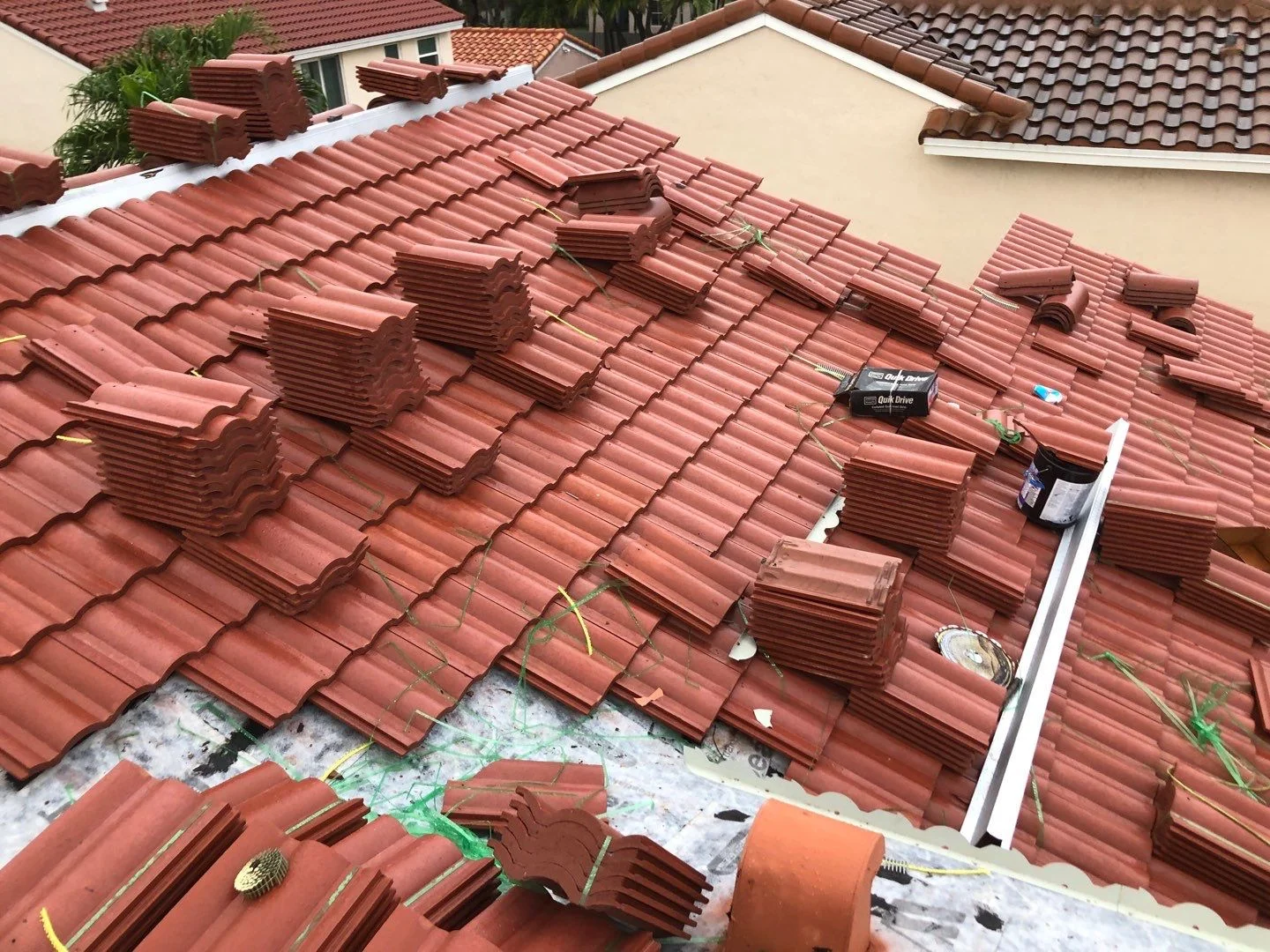
Roof covering materials must meet Florida Building Code requirements to qualify for full credits, including architectural shingles rated for 110–150 mph winds, concrete or clay tiles with proper attachment, and metal roofing with Miami-Dade NOA certification. When homeowners ask how to lower homeowners insurance Florida roof costs, replacing an old non-compliant roof with a new code-compliant one is often the largest long-term strategy.
Roof Deck Attachment and Nailing Patterns
The roof deck attachment describes how the plywood or OSB sheathing is fastened to the trusses. Modern standards require 8d ring-shank nails at 6-inch spacing along edges and 12-inch spacing in the field. Older homes often have staples or widely-spaced nails that provide minimal uplift resistance.
Upgrading roof deck attachment happens during a roof replacement — it's not a standalone project since the deck must be exposed. All Phase can coordinate with building departments in Palm Beach County and Broward County to confirm deck attachment details when original documentation is missing.
Roof-to-Wall Connectors: Clips, Wraps, and Toenails
Roof-to-wall connectors transfer hurricane forces from the roof framing into the walls. The type of connector determines which category your home falls into on the inspection form:
- Toenails (pre-code method): minimal credit
- Clips (small metal brackets on one side): moderate credit
- Single wraps (metal straps on one side of truss): good credit
- Double wraps (metal straps wrapping completely around truss): best credit — can reduce premiums 20–30% on their own
Secondary Water Resistant Barriers and Insurance Credits
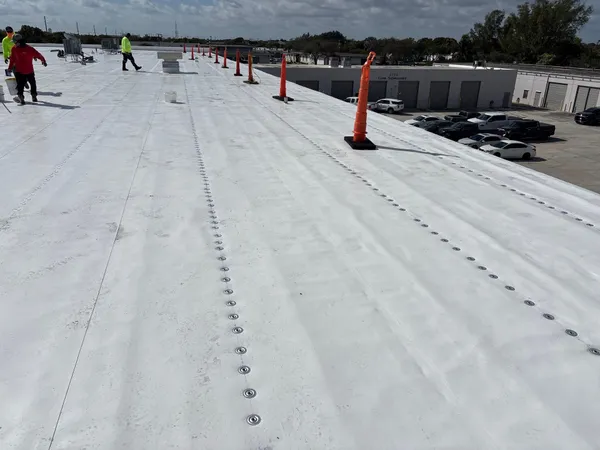
Secondary water resistant barriers are installed beneath the roof covering to prevent water intrusion if shingles or tiles fail during a storm. Post-Hurricane Ian data showed mitigated homes with proper SWR averaged 60% less roof damage than non-mitigated homes. Adding a qualifying SWR typically adds 5–10% in credits — money that compounds every year.
Carriers will not grant SWR credits without proof. Request line-item descriptions on contracts clearly stating the SWR system being installed. All Phase keeps detailed records of SWR installations and can supply documentation to support your wind mitigation certificate.
The Window Most Homeowners Miss — Why Timing Is Everything
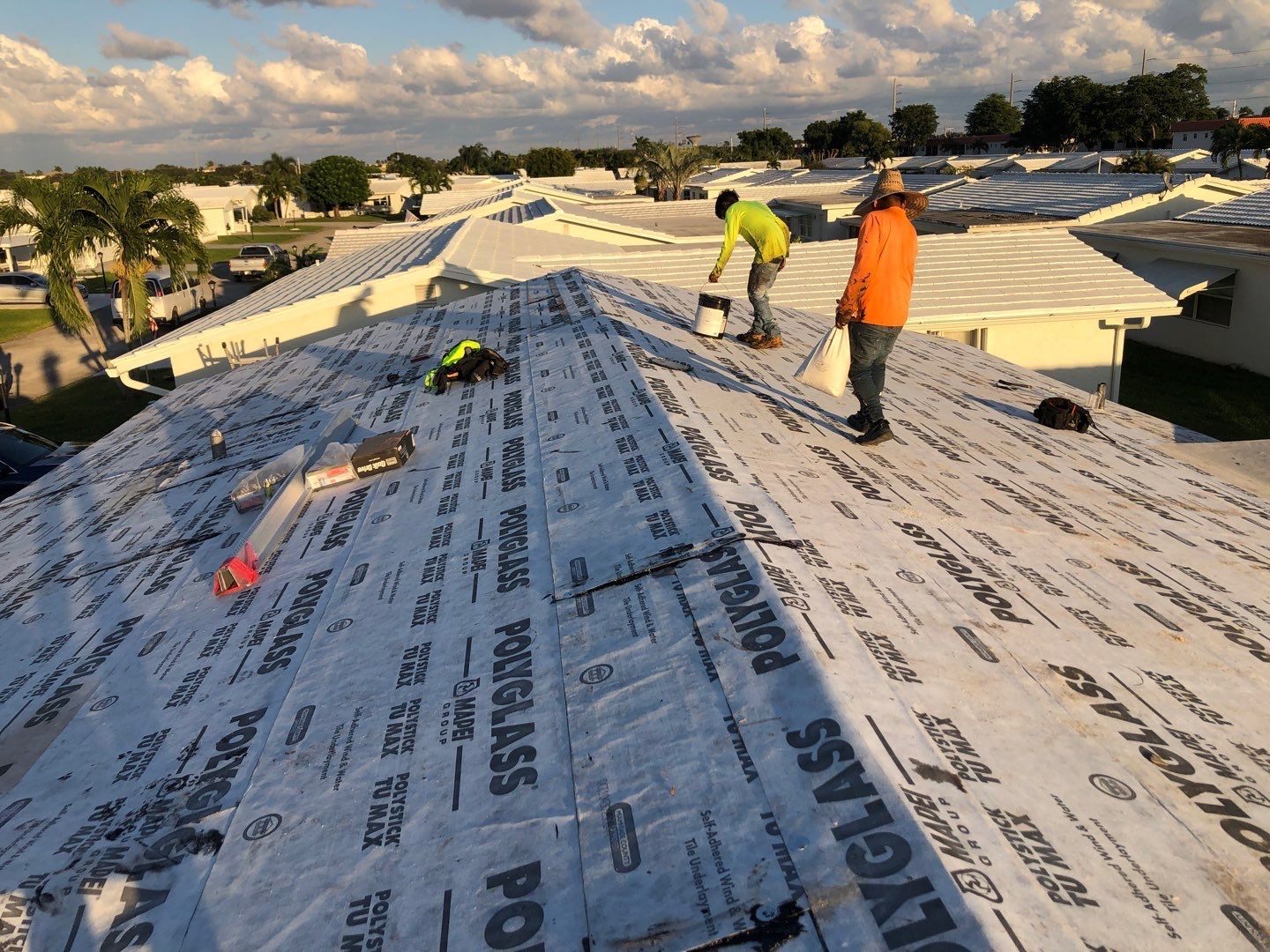
Here's something most South Florida homeowners don't realize until it's too late: many wind mitigation upgrades can only be installed during a re-roof. Once your existing roof is back on the house, the window closes. Secondary water barriers, upgraded deck attachment nailing patterns, and proper roof-to-wall connectors all require the deck to be exposed during installation. You cannot go back and add them later without tearing the roof off again.
This is why the decision about how you re-roof matters just as much as when you re-roof.
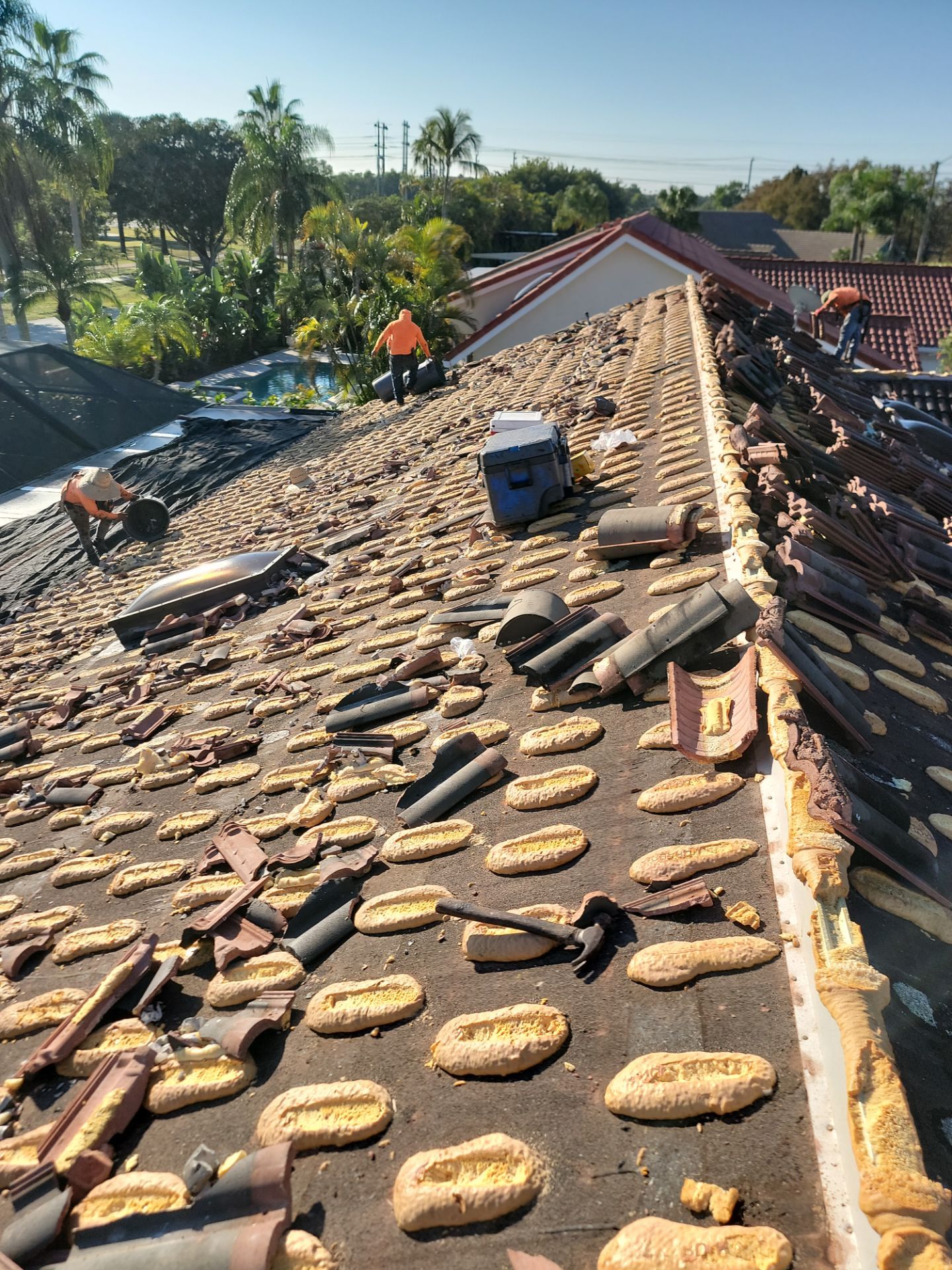
If you plan to stay in your home for five years or more, the math on upgrading during your re-roof is almost always compelling. The additional cost to install a qualifying secondary water barrier, upgrade your connector type, or choose impact-rated materials during an active re-roof project typically runs $2,000–$5,000 above a standard installation. But those upgrades can generate $1,200 or more in annual insurance savings — meaning the upgrades often pay for themselves within three to four years, and then continue delivering savings for the full life of the roof.
Over a 20–25 year roof lifespan, that's $24,000–$30,000 in cumulative insurance savings from a one-time decision made at the right moment.
For homeowners who need help covering the upfront cost, All Phase offers financing options that make it practical to do the job right the first time. Visit our easy payment options page to learn more. The monthly payment on a modest upgrade is often less than the monthly insurance savings it generates — meaning the upgrade can be cash-flow positive from day one.
Don't wait until your roof is already being replaced to start asking these questions. Call All Phase before your project begins so we can design your re-roof specifically to maximize wind mitigation credits and make the most of the one opportunity you'll have for the next two decades.
Wind Mitigation Inspection Florida: What to Expect
A Florida wind mitigation inspection involves a licensed inspector examining your home's wind-resistant features and documenting them on the OIR-B1-1802 form. The inspection covers roof measurements and geometry, attic access to photograph connectors, examination of deck attachment, verification of roof covering compliance, evidence of secondary water barrier installation, and opening protection assessment.
Inspections are valid for five years unless major changes occur to the roof or structure. Inspection costs range from $150–$300, making this one of the most cost-effective steps toward long-term insurance savings. Florida carriers calculate credits differently, but a fully mitigated home can see substantial reductions to the windstorm portion of its premium.
All Phase can both perform the inspection and complete any recommended roof wind mitigation upgrades, simplifying the process for homeowners who need both evaluation and retrofit work.
How to Lower Homeowners Insurance in Florida with Roof Upgrades
Most effective roof-related actions: schedule a wind mitigation inspection to establish your baseline rating, upgrade roof-to-wall connectors from toenails to clips or straps during attic work, install a qualifying SWR during any reroofing project, choose code-compliant roof coverings with proper documentation, and ensure all insulation is installed properly without blocking attic access points.
Timing upgrades alongside a required roof replacement is typically the most cost-effective approach. A single reroof project can stack multiple wind mitigation credits simultaneously. Don't settle for minimum code compliance — ask your roofer to design the project specifically with wind mitigation credits in mind. The difference between a standard reroof and a mitigation-optimized reroof might add $2,000–$5,000 to the project cost but can deliver $1,200+ in annual savings.
Schedule Your South Florida Roof Wind Mitigation Inspection
Every month without proper wind mitigation documentation is another month of overpaying for insurance. Homeowners in Palm Beach County, Broward County, and throughout South Florida can schedule a roof wind mitigation inspection with All Phase to determine exactly what credits they qualify for.
The potential savings speak for themselves: up to 50% off the windstorm portion of your homeowners insurance by properly documenting and upgrading qualifying roof features. A $4,000 annual premium could drop to $2,000 with full mitigation credits — money that stays in your pocket year after year.
Ready to Lower Your Insurance Costs?
Schedule your wind mitigation inspection today and start saving.
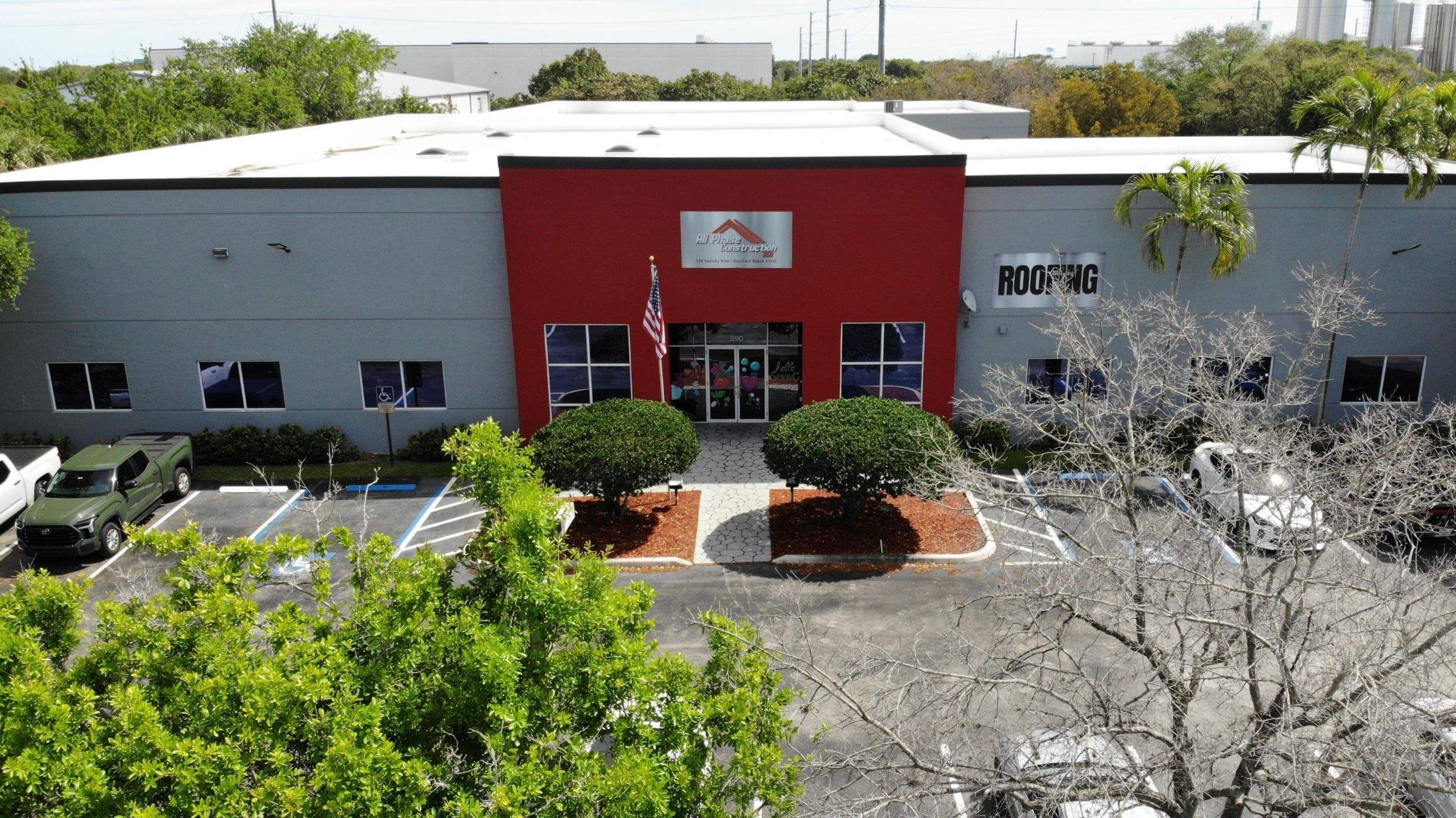
All Phase Construction USA
590 Goolsby Blvd, Deerfield Beach, FL 33442
FAQ: Roof Wind Mitigation in South Florida
How long does a Florida wind mitigation inspection take?
Most single-family home inspections take about 45–90 minutes depending on roof complexity and attic accessibility. The completed report is typically available within 24–48 hours.
Do I need a new wind mitigation inspection after replacing my roof?
Yes. A new roof often changes several factors — roof covering, deck attachment, and SWR — so a fresh inspection is recommended to capture any new credits. Many insurers require an updated wind mitigation report whenever a major roof replacement is completed in Florida. The investment of $150–$300 typically pays for itself within the first month of reduced premiums.
Can I get wind mitigation credits if my home is older?
Many older South Florida homes can qualify for substantial wind mitigation credits if they have been reroofed to current code, had connectors retrofitted, or added SWR systems. However, pre-1994 homes typically max out at 20–30% savings without more expensive structural upgrades.
Is a wind mitigation inspection different from a standard home inspection?
Yes. A wind mitigation inspection is a specialized evaluation focused on structural and roofing features that affect wind performance. Insurers only accept the OIR-B1-1802 form — typical home inspection reports do not replace it.
Will every roof improvement automatically lower my insurance premium?
Only improvements that move your home into a better category on the OIR-B1-1802 form will generate credits. Consult All Phase before starting a roofing project so it can be planned with both code compliance and insurance savings in mind.
Need Professional Roofing Service?
Contact All Phase Construction USA for expert roofing services in Broward and Palm Beach County.
Call (754) 227-5605Related Services & Resources
Roof Repair · Free Inspections · Cost Calculator · All Articles